Streamline Efficiency: Exceptional Data Center Infrastructure Management Services for Ideal Performance
Improving efficiency in data centers is required for organizations endeavoring to strengthen functioning. Top Data Center Infrastructure Management (DCIM) services supply vital capabilities for instantaneous surveillance and analytics. Solutions from ServiceNow, Sunbird, Schneider Electric, and Nlyte rise above this competitive space. These services not only keep tabs on assets but also fine-tune resource utilization. Understanding how to decide on the right DCIM solution can result in significant gains. What points should organizations deliberate to make an prudent choice?
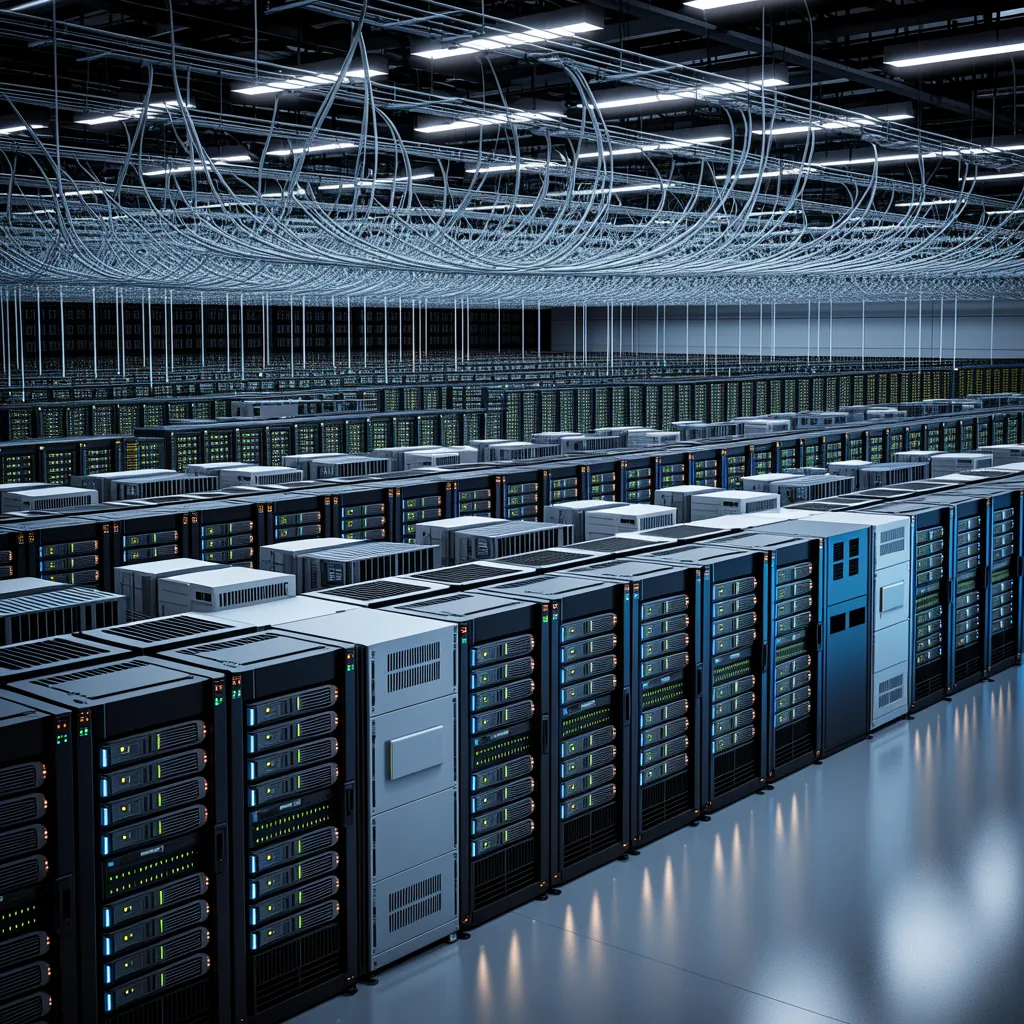
Leading DCIM Services for 2023
As bodies ever more depend upon data centers to support their endeavors, identifying the best Data Center Infrastructure Management (DCIM) systems for 2023 becomes vital. Leading DCIM systems offer thorough methods structured to advance resource management, improve operational efficiency, and pledge robust monitoring capabilities. Notable choices in the market include ServiceNow, distinguished by its integration capabilities, and Sunbird, which performs exceptionally in real-time visualization and reporting. Additionally, Schneider Electric provides a powerful platform for energy management and asset tracking.
Another important player, Nlyte, specializes in improving data center performance through sophisticated analytics. These solutions not only enable better decision-making but also assist with predicting upcoming needs. As data demands continue to increase, selecting a DCIM service that provides scalability and adaptability is essential. Ultimately, companies must evaluate their particular needs to select the most suitable DCIM service, guaranteeing optimal performance and reliability in their data management strategies.
Exploring Data Center Infrastructure administration (DCIM)
Data Center Infrastructure Management (DCIM) encompasses a collection of instruments and practices intended to monitor, manage, and optimize data center resources. By combining IT and infrastructure oversight, DCIM delivers comprehensive visibility into the performance and utilization of essential systems. This method facilitates immediate information gathering, enabling operators to make informed decisions regarding energy consumption, cooling efficiency, and space utilization.
DCIM platforms commonly feature capabilities including equipment monitoring, demand forecasting, and environmental monitoring, which synergistically to enhance operational efficiency. They provide infrastructure leaders the capacity to spot inefficiencies, refine operations, and minimize spending. Moreover, DCIM enables forward planning for scale-up efforts and supports organizations adhere to compliance frameworks. Through adopting effective DCIM practices, data centers can realize increased stability, improved sustainability, and greater overall performance, as a result contributing to enhanced service delivery in a rapidly evolving digital landscape.
Critical Capabilities for Deciding on High-performing DCIM Solutions
Determining effective Data Center Infrastructure Management (DCIM) services requires thorough consideration of critical capabilities that boost operational efficiency and resource management. Crucial characteristics feature real-time monitoring tools, enabling instant insight into energy consumption and environmental conditions. Connectivity with existing systems is also essential, as seamless communication encourages a integrated approach to information governance.
Scalability represents a key feature, enabling organizations to adapt as their infrastructure expands and evolves. Sophisticated analysis tools can deliver predictive insights, facilitating proactive decision-making and minimizing downtime. User-friendly interfaces improve accessibility for various stakeholders, while robust security measures safeguard sensitive data.
Ultimately, flexibility settings assure that DCIM services can be tailored to meet unique company demands. By highlighting these essential features, businesses can select DCIM services that not only optimize performance but also advance long-term sustainability and organizational achievement.
Selecting the Optimal DCIM Platform for Your Requirements?
How can an organization identify the best DCIM tool customized to its unique needs? The choosing procedure begins with a thorough assessment of current systems and business requirements. Organizations should identify specific goals, such as improving uptime, boosting resource usage, or refining capacity planning. Additionally, assessing scalability is critical; a solution must adjust to upcoming growth and technological advancements.
Following that, businesses must consider integration capabilities. The ideal DCIM solution should work seamlessly with established systems and tools. User-friendliness also holds importance; clear interfaces boost user implementation and operational effectiveness.
In addition, entities should assess partner assistance and community engagement, as ongoing assistance and resources can be consequential. Conclusively, conducting a financial assessment guarantees that the preferred option accords with budget constraints while presenting the anticipated value. By adhering to these phases, organizations can positively choose a DCIM solution that addresses their specific demands and enhances overall performance.
Leveraging DCIM Platforms to Boost Electrical Performance
By implementing DCIM tools, you can greatly enhance power efficiency within data centers. Through offering extensive analysis into energy usage and thermal dynamics, these tools allow operators to spot inefficiencies and optimize resource distribution. With real-time data on power consumption, data center managers can make informed decisions about server positioning and cooling approaches, ensuring that energy is not squandered.
DCIM platforms also facilitate automated oversight of power loads, allowing for dynamic adjustments based on current demand. This versatility can lead to significant reductions in energy costs. In addition, advanced analytics within DCIM tools can detect areas for further improvement, promoting proactive measures rather than reactive solutions.
Combining these tools into daily operations encourages a ethos of sustained betterment, ultimately producing a more sustainable data center habitat. The result is not simply enhanced efficiency but also a lessened carbon emissions, aligning with larger ecological objectives.
Immediate Monitoring : The Core of DCIM Excellence
Real-time tracking works as a crucial factor in the achievement of Data Center Infrastructure Management (DCIM). By offering advanced performance indicators, it permits active issue identification and enhancement of resource management. This capacity in the end results in better operational effectiveness and consistency within data centers.
Optimized Performance Analytics
Monitoring infrastructure facility operational efficiency is critical for optimizing efficiency and ensuring reliability. Enhanced performance metrics deliver critical insights into various operational aspects, including power usage effectiveness, thermal management effectiveness, and resource allocation. By leveraging real-time data, enterprises can assess their infrastructure's health and responsiveness, facilitating strategic choices. Metrics such as system availability, response time, and data transfer rate help recognize patterns and assess capacity needs. Additionally, these metrics foster accountability among teams, guiding strategic planning and investments. Ongoing examination of performance data helps in benchmarking against industry standards but also promotes a culture of continuous enhancement. Ultimately, enhanced performance metrics serve as a foundational element of effective Data Center Infrastructure Management, delivering both operational excellence and competitive advantage.
Proactive Concern Identification
Proactive concern identification matters significantly in upholding the robustness of data center operations. By leveraging instant surveillance systems, data centers can identify emerging issues ahead of deterioration into major malfunctions. This approach enables teams to respond rapidly to unexpected variations in thermal conditions, power consumption, and equipment performance. Relentless monitoring guarantees that any deviations from established norms are flagged immediately, allowing for quick corrective measures. As a outcome, the overall robustness of the system architecture is boosted, cutting down operational disruptions and preserving service quality. Moreover, early identification leads to data-driven choices regarding upkeep planning and resource allocation, fundamentally optimizing operational efficiency. Dedicating funds in powerful surveillance technology is non-negotiable for sustaining maximum output in current era's complex data environments.
Resource Consumption Maximization
Successful management of a data center's resources depends on the capacity to continuously track and analyze operational metrics. Real-time observation functions as the basis for optimizing resource utilization, enabling data center managers to identify inefficiencies and allocate assets effectively. By leveraging advanced DCIM tools, organizations can collect essential information on power consumption, cooling efficiency, and workload distribution. see this article This data permits for more informed decision-making, ensuring that resources are employed to their fullest potential. Additionally, real-time analytics enable immediate reactions to changing demands, reducing waste and boosting overall performance. Ultimately, effective resource utilization optimization not only enhances operational efficiency but also contributes to sustainability goals, making it a vital component of modern data center management strategies.
Next-Generation Innovations in Data Center System Administration
As data centers mature to respond to surging demands for efficiency and capability, emerging trends in Data Center Infrastructure Management (DCIM) are recasting the terrain. One notable trend is the fusion of machine learning systems (AI) and machine learning, which refines forward-looking analysis for space planning and power optimization. These technologies enable real-time monitoring and automated responses to potential issues, greatly minimizing interruptions.
In addition, the deployment of edge computing is spurring a shift in DCIM methodologies, as businesses pursue to process data closer to its source for refined speed and efficiency. This entails advanced governance solutions to ensure performance across geographically-spread environments.
Sustainability remains at the forefront, focusing on lowering carbon footprints and improving how resources are consumed. Lastly, the growth of hybrid cloud solutions calls for more sophisticated DCIM systems capable of effortlessly handling both on-premises and cloud resources, guaranteeing the highest operational efficiency.
Often Posed Questions
How Do I link DCIM With Current Data Center Setup?
To integrate DCIM with current data center systems, one should assess current infrastructure, ensure compatibility, deploy APIs for data exchange, and perform thorough testing to confirm seamless operation and improved management capabilities across platforms.
How Much Does the Standard Cost to Install DCIM Solutions?
Implementing DCIM solutions usually costs somewhere between $20,000 and $150,000 on average, contingent upon the data center's size, the complexity of the infrastructure, and the specific features necessary for ideal management.
Do certain regulatory guidelines exist for DCIM Services?
Indeed, specific compliance standards are required for DCIM services, such as ISO 27001 for information security, PCI DSS for payment data security, and multiple environmental guidelines that direct energy efficiency and sustainability practices within data centers.
How often Should I Update My DCIM Software?
Updating DCIM software should happen at least once a year, though updates every three months are suggested to guarantee optimal functionality, security enhancements, and adherence with evolving standards. Regular assessments help identify when updates are needed for specific organizational needs.
Can DCIM Tools Facilitate Disaster Recovery Design?
DCIM tools can greatly aid in emergency preparedness strategy by providing live surveillance, asset management, and scenario simulations. This guarantees that data centers are prepared for potential disruptions, enhancing overall resilience and recovery strategies.