Boost Efficiency: Best Data Center System Administration Services for Maximum Performance
Maximizing productivity in data centers is critical for organizations seeking to enhance further information operational output. Top Data Center Infrastructure Management (DCIM) services deliver critical tools for live surveillance and analytics. Solutions from ServiceNow, Sunbird, Schneider Electric, and Nlyte excel in this market. These services not only track assets but also improve resource distribution. Understanding how to select the right DCIM solution can result in significant enhancements. What factors should organizations evaluate to make an educated decision?
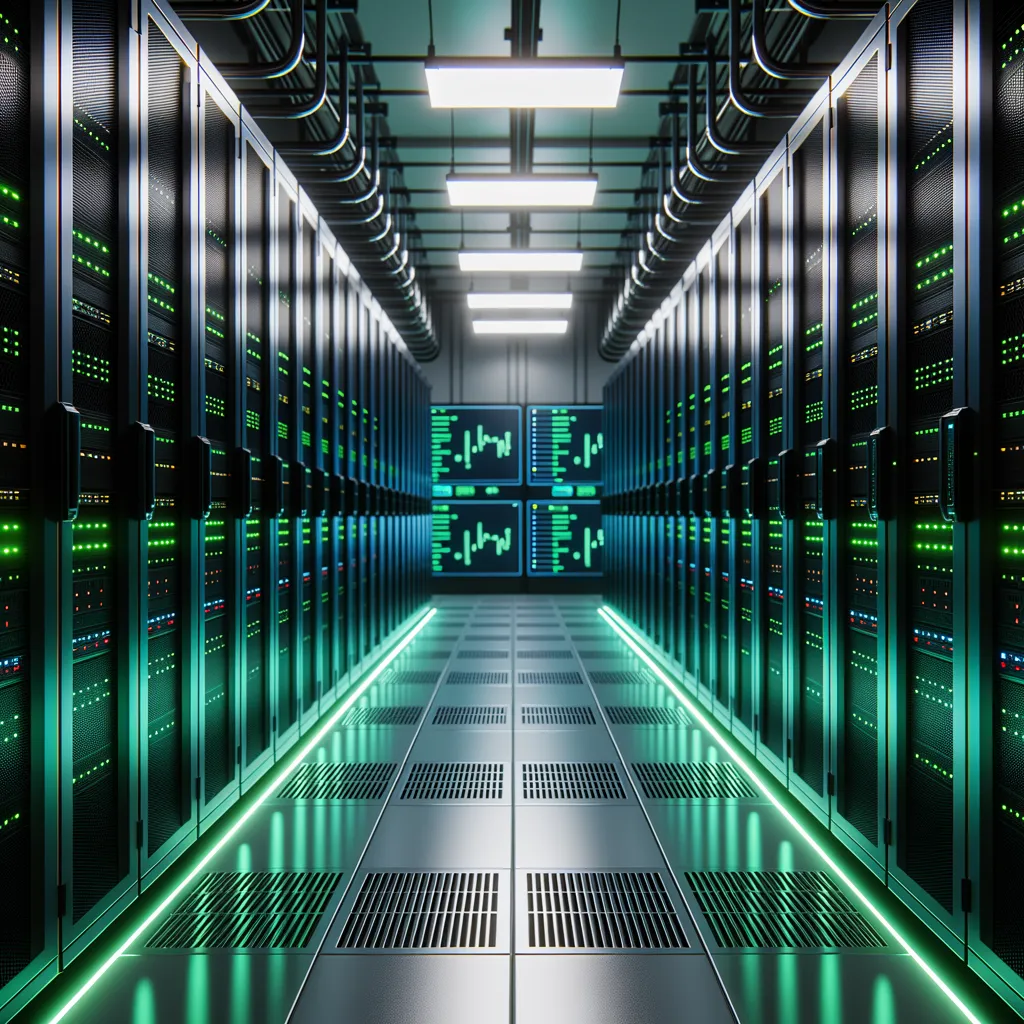
Best DCIM Services for 2023
As companies more and more depend on data centers to support their operations, identifying the top Data Center Infrastructure Management (DCIM) services for 2023 becomes vital. Leading DCIM services offer thorough offerings intended to enhance resource management, boost operational efficiency, and ensure robust monitoring capabilities. Notable players in the market include ServiceNow, recognized for its integration capabilities, and Sunbird, which excels in real-time visualization and reporting. Additionally, Schneider Electric provides a powerful platform for energy management and asset tracking.
Another key player, Nlyte, specializes in enhancing data center performance through sophisticated analytics. These services not only facilitate improved strategic choices but also help in predicting upcoming needs. As data demands continue to increase, selecting a DCIM service that provides flexibility and versatility is critical. Ultimately, companies must evaluate their particular requirements to choose the most suitable DCIM service, ensuring peak performance and reliability in their data administration strategies.
Understanding Data Center system administration (DCIM)
Data Center Infrastructure Management (DCIM) includes a suite of tools and methodologies designed to monitor, manage, and optimize data center assets. By integrating IT and facility management, DCIM provides thorough insight into the performance and utilization of critical assets. This approach facilitates immediate information gathering, enabling operators to make informed decisions regarding power usage, cooling efficiency, and space utilization.
DCIM solutions often provide capabilities such as inventory management, capacity planning, and environmental monitoring, which together improve operational efficiency. They enable data center managers to detect bottlenecks, optimize processes, and lower operational costs. Furthermore, DCIM facilitates strategic planning for growth initiatives and assists companies meet regulatory standards. By adopting effective DCIM practices, data centers can achieve higher reliability, enhanced environmental responsibility, and greater overall performance, eventually driving superior service provision in a rapidly evolving digital landscape.
Vital Traits for Identifying Top-notch DCIM Services
Identifying efficient Data Center Infrastructure Management (DCIM) services requires careful evaluation of essential features that enhance performance and asset optimization. Important characteristics include immediate tracking capabilities, allowing instant visibility into energy consumption and climate parameters. Connectivity with current systems is also essential, as seamless communication fosters a cohesive approach to information handling.
Scalability serves as another significant characteristic, enabling organizations to adapt as their infrastructure grows and changes. Advanced analytics can provide predictive insights, facilitating proactive decision-making and reducing downtime. User-friendly interfaces improve accessibility for multiple users, while strong protective protocols protect sensitive data.
In conclusion, customization options confirm that DCIM services can be configured to meet specific organizational needs. By prioritizing these vital elements, businesses can identify DCIM services that not only optimize performance but also foster long-term sustainability and operational success.
Selecting the Optimal DCIM Solution for Your Requirements?
What approach can an enterprise use to select the best DCIM solution tailored to its distinct needs? The decision-making process begins with a thorough assessment of present infrastructure and functional requirements. Organizations should identify specific goals, such as improving uptime, strengthening resource allocation, or fine-tuning capacity planning. Additionally, examining growth potential is essential; a solution must adapt to future growth and digital advancements.
Following that, organizations must examine compatibility features. The ideal DCIM solution should function smoothly with established systems and tools. Ease of use also holds importance; clear interfaces boost user implementation and operational effectiveness.
In addition, entities should review vendor support and community engagement, as ongoing assistance and assets can be meaningful. Conclusively, performing a financial assessment validates that the chosen solution aligns with budget constraints while presenting the projected benefits. By adhering to these steps, organizations can positively choose a DCIM solution that meets their distinct requirements and strengthens comprehensive performance.
Leveraging DCIM Systems to Boost Energy Efficiency
Leveraging DCIM tools can markedly boost operational efficiency within data centers. By providing extensive understanding into power consumption and temperature management, these tools enable operators to recognize inefficiencies and optimize resource management. With real-time data on energy usage, data center managers can make informed determinations about equipment placement and thermal strategies, ensuring that energy is not lost.
DCIM solutions also facilitate automated monitoring and control of power loads, allowing for strategic modifications based on current demand. This agility can lead to substantial savings in energy costs. In addition, powerful analytics within DCIM tools can pinpoint areas for further improvement, fostering proactive measures rather than reactive fixes.
Combining these resources into daily operations promotes a culture of sustained betterment, ultimately producing a more sustainable data center environment. The takeaway is not simply streamlined performance but also a lessened carbon emissions, adhering with broader environmental goals.
Real-Time Surveillance : The Cornerstone of DCIM Success
Real-time monitoring plays as a key necessity in the performance of Data Center Infrastructure Management (DCIM). By offering enhanced performance measurements, it permits proactive identification and fine-tuning of resource usage. This capability ultimately supports better operational efficiency and trustworthiness within data centers.
Optimized Performance Analytics
Assessing data center performance constitutes a vital necessity for boosting operational efficiency and securing long-term stability. Sophisticated performance measurements convey important analytical insights concerning multiple operational sectors, incorporating power efficiency parameters, thermal regulation success, and equipment allocation. Via accessing real-time analytics, business organizations can measure their system durability and responsiveness, supporting evidence-based choices. Monitoring indicators like infrastructure uptime, transmission delays, and bandwidth utilization prove useful in pattern identification and measuring capacity expansion. Simultaneously, these indicators foster organizational responsibility, shaping investments and long-term planning. Persistent performance analysis of system performance data benefits industry standardization versus standard metrics and develops a framework for continuous advancement. At its foundation, superior performance indicators function as a structural element in robust infrastructure administration, yielding operational superiority and competitive advantage.
Proactive Issue Detection
Proactive issue detection serves a critical purpose in upholding the stability of data center operations. By employing live tracking systems, data centers can detect possible issues prior to escalation into critical failures. This methodology allows teams to respond rapidly to irregularities in heat levels, power consumption, and system functionality. Ongoing monitoring confirms that any variations from standard parameters are highlighted promptly, permitting for immediate response. As a consequence, the overall dependability of the framework is improved, reducing service interruptions and maintaining service quality. Moreover, proactive detection supports strategic planning regarding service plans and budget distribution, eventually maximizing system performance. Allocating investment in robust monitoring solutions is vital for supporting optimal functioning in modern complex data environments.
Material Utilization Enhancement
Skilled oversight of a data center's resources is contingent on the capability to perpetually evaluate and track operational metrics. Real-time observation serves as the foundation for bolstering resource utilization, enabling data center managers to uncover inefficiencies and allocate assets effectively. By harnessing advanced DCIM tools, organizations can gather essential information on power consumption, cooling efficiency, and workload distribution. This data supports for more informed decision-making, ensuring that resources are utilized to their fullest potential. Additionally, real-time analytics foster immediate interventions to changing demands, limiting waste and enhancing overall performance. Ultimately, effective resource utilization optimization not only elevates operational efficiency but also contributes to sustainability goals, making it a crucial component of modern data center management strategies.
Upcoming Patterns in Data Center Facility Management
As infrastructure facilities transform to fulfill heightened demands for streamlining and capability, emerging movements in Data Center Infrastructure Management (DCIM) are reconfiguring the field. One important movement is the combination of AI technology (AI) and deep learning, which boosts analytics predictions for planning resources and power management. These technologies facilitate live monitoring and intelligent responses to emerging issues, significantly minimizing outages.
Moreover, the adoption of edge computing is accelerating a shift in DCIM frameworks, as businesses seek to execute data adjacent to its source for improved speed and efficiency. This calls for state-of-the-art administrative platforms to preserve performance across distributed environments.
Sustainability remains at the leading edge, focusing on cutting carbon footprints and optimizing how resources are consumed. Lastly, the growth of hybrid cloud solutions requires more sophisticated DCIM systems capable of effortlessly handling both on-premises and cloud resources, ensuring the highest operational efficiency.
Frequently Requested Inquiries
What Are The Steps To integrate DCIM With Existing Data Center Setup?
To link DCIM with existing data center systems, one needs to analyze current infrastructure, ensure compatibility, activate APIs for data exchange, and undertake thorough testing to validate seamless operation and improved management capabilities across platforms.
What Is the Typical Cost of Deploying DCIM Solutions?
DCIM solution implementation commonly ranges from $20,000 to $150,000 in cost, varying with the data center size, infrastructure complexity, and the targeted capabilities required to achieve ideal management.
Are there specific regulatory requirements for DCIM Services?
Certainly, specific compliance standards exist for DCIM services, such as ISO 27001 for information security, PCI DSS for payment data security, and various environmental regulations that direct energy efficiency and eco-friendly operations within data centers.
Which Timeline Should I Maintain for Updating My DCIM Software?
DCIM software updates should take place at least annually, though three-month interval updates are advised to ensure maximum performance, enhanced protection, and conformity with developing standards. Periodic reviews help recognize when updates are required for distinct business objectives.
Can DCIM Solutions Help in Emergency Response Planning?
DCIM tools offer substantial support in emergency preparedness strategy through real-time monitoring, asset management, and contingency modeling. This makes certain that data centers are well-equipped for potential disruptions, enhancing overall robustness and contingency approaches.